

The Great Compromiser
32. Henry Clay (1777-1852)

32. Henry Clay (1777-1852)
The Founders are famous, but far less well known are the first generation that inherited and built upon their work. Founding a republic is difficult. Preserving one may be harder still. The young Republic that emerged from the American Revolution was fragile. It was also vast, divided, and divided. Regional interests collided and economic priorities differed. Questions concerning tariffs, economic development, banking, western expansion, and above all slavery repeatedly threatened national unity. The generation after Washington and Jefferson faced a challenge every bit as serious as winning independence: whether the republic could survive its own success. Henry Cray cradled republic in those perilous years and held the nation intact.
Henry Clay was born in Virginia in 1777, only a year after the Declaration of Independence. His father died when he was young, and the family possessed little wealth, though a famous name. Unlike many prominent statesmen of his generation, Clay did not emerge from the ranks of the colonial aristocracy. He received modest formal education and studied law under George Wythe, one of the most respected legal minds of the Revolutionary generation. In 1797, Clay moved west to Kentucky. It was a fateful decision. Kentucky was on the frontier but also connected to both the South and the developing West. Clay absorbed the perspective of a moving nation. He saw opportunities in commerce, transportation, and expansion. He also learned that the interests of different regions could not simply be ignored. They had to be reconciled.
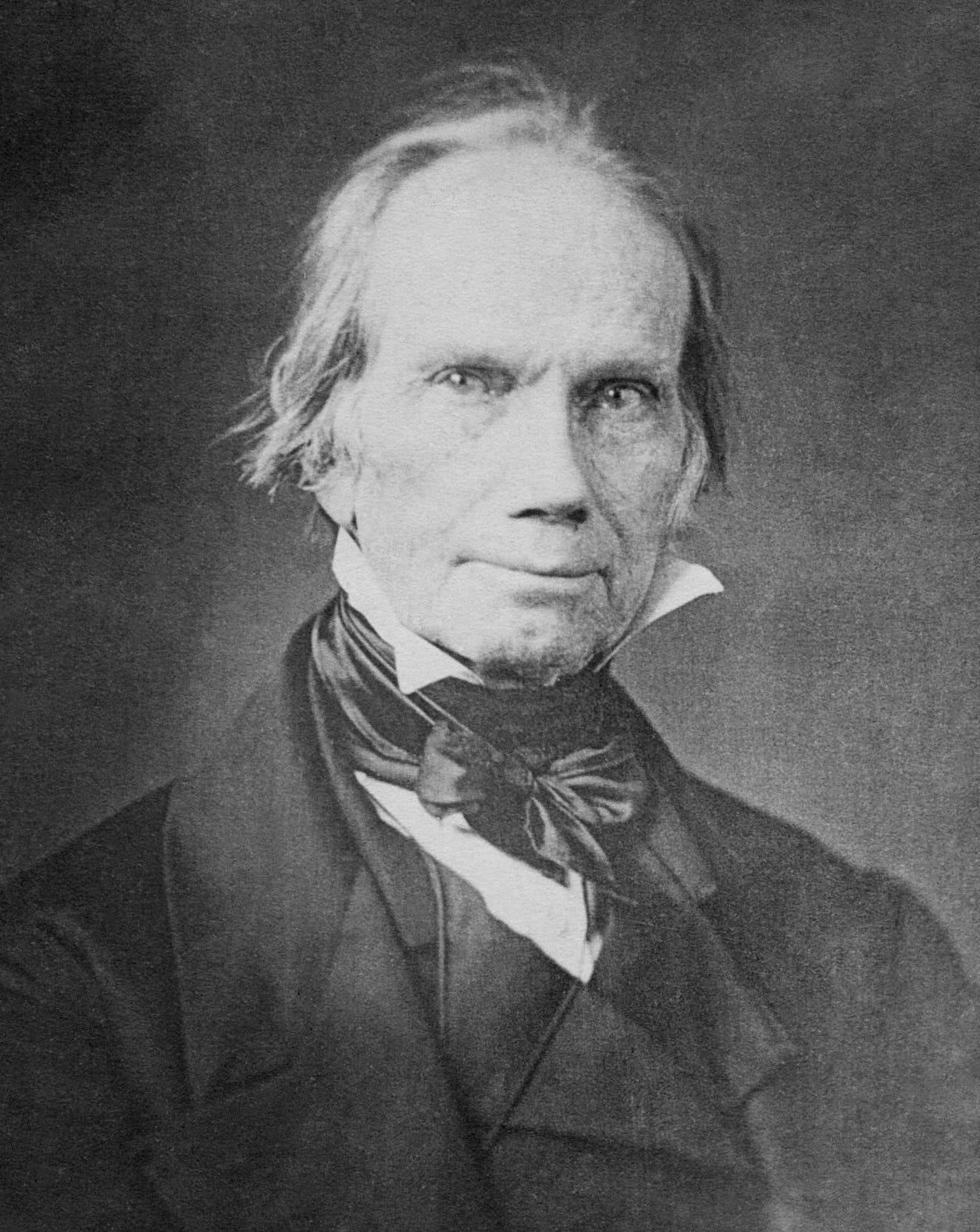
His political rise was astonishingly rapid. By his early thirties he was serving in both the Kentucky legislature and the United States Senate. In 1811, he was elected Speaker of the House of Representatives, in his first term. At only thirty-four years old, he transformed the position into one of the most powerful offices in American government.
Clay belonged to the generation known as the War Hawks. They believed the United States needed to defend its honor and interests against British interference. Clay became one of the leading advocates for the War of 1812. The war itself produced mixed military results, but it strengthened American nationalism and convinced many leaders that the nation needed stronger economic and political institutions. Out of that conviction emerged the American System, Clay’s most famous policy vision.
The American System sought to bind the nation together economically. Clay advocated protective tariffs to encourage domestic manufacturing, a national bank to stabilize finance, and federal support for roads, canals, and other internal improvements. Today these may seem like ordinary ideas, but they represented a new and comprehensive vision for national development. Clay believed that agriculture, industry, finance, and transportation should reinforce one another rather than compete. The goal was national unite, not merely economic growth. Clay understood something that many political leaders forget. Nations are held together not only by affection but also by practical connections. Roads, markets, commerce, and shared prosperity create common interests.
Although the American System was never fully implemented exactly as Clay envisioned, much of the nineteenth century American economy developed along lines he helped establish. The transportation networks, commercial growth, and industrial expansion that transformed the nation owed much to Clay’s political leadership. Yet economics alone cannot explain his significance. His greatest achievements came during moments of national crisis.
By the early nineteenth century, slavery threatened the future of the Union. The Constitution had postponed many of the deepest disputes surrounding slavery, but it had not resolved them. As the nation expanded westward, every new territory raised the question over whether slavery would be permitted in the new region, and thus upsetting the delicate political balance in the nation. The first great crisis emerged in 1819 when Missouri sought admission to the Union as a slave state.
The dispute immediately threatened the balance between free and slave states and revealed the growing sectional divide between North and South. Many feared the controversy could fracture the Union. Clay helped engineer the Missouri Compromise of 1820. Missouri entered as a slave state, Maine entered as a free state, and a geographic boundary was established for future territories. The compromise satisfied nobody completely, which is often how one recognizes a genuine compromise. Yet it preserved peace and bought the nation valuable time.
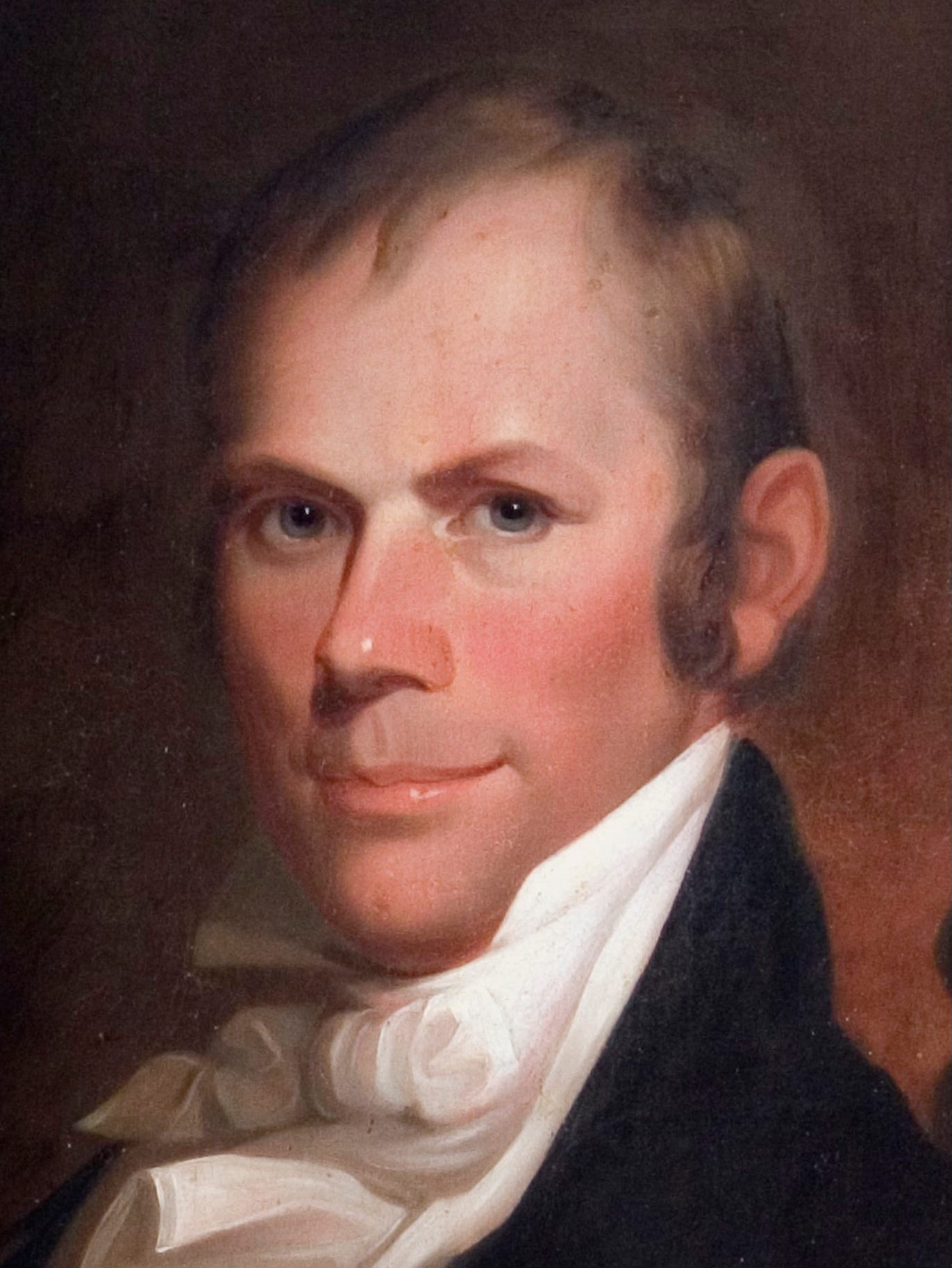
Three decades later, Clay would perform a similar service. The Mexican-American War added enormous new territories to the United States and reopened every unresolved argument concerning slavery that the Missouri compromised left unresolved. By 1850, the nation again stood dangerously close to sectional conflict. Although aging and in declining health, Clay returned to the center of national politics. He assembled a series of proposals that became known as the Compromise of 1850. The measures addressed territorial governance, California statehood, the slave trade in Washington, D.C., and fugitive slave enforcement.
The compromise remains controversial because some provisions, particularly the Fugitive Slave Act, were deeply flawed and morally troubling. Yet Clay’s objective was clear. He sought to preserve the Union long enough for future generations to confront slavery without civil war. In the end, he succeeded only temporarily. The Civil War came a decade later. But that decade mattered. The North grew stronger industrially and demographically and political alignments shifted. The conditions that eventually allowed the Union to survive secession developed during the years Clay helped preserve.
Yet the picture of Henry Clay is incomplete without considering his greatest political disappointment. He desperately wanted to become president. He sought the office repeatedly and came agonizingly close. He lost to John Quincy Adams, Andrew Jackson, James K. Polk, and Zachary Taylor. His defeat in 1824 generated one of the most famous controversies in American political history. After no candidate secured an electoral majority, the House selected Adams. Clay supported Adams and later became Secretary of State, leading Jackson’s supporters to denounce the arrangement as a “corrupt bargain.”
Whether justified or not, the accusation haunted Clay for the remainder of his career. Yet there is something admirable about the fact that Clay’s historical significance does not depend upon him becoming president. He demonstrated that statesmanship and influence are not confined to the presidency. Legislative leadership can shape a nation just as profoundly.
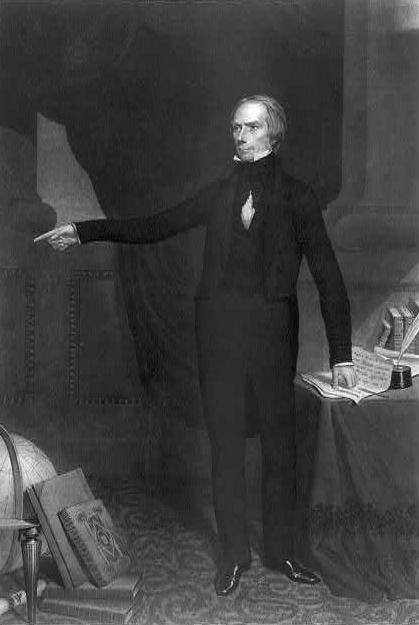
Henry Clay died in 1852, less than a decade before the Civil War he spent much of his life trying to prevent. Clay did not solve America’s greatest problem. No statesman of his generation truly could, at least not without war. Slavery represented a moral contradiction embedded within the nation’s founding. Yet Clay bought time. He preserved institutions. He maintained dialogue when others preferred denunciation. He kept Americans talking to one another when they increasingly wished to stop listening.
That achievement deserves respect. Modern Americans often treat compromise as weakness. Our politics frequently rewards ideological purity and punishes negotiation. Henry Clay understood that self-government requires citizens and leaders willing to accept imperfect outcomes in service of larger goods.
Compromise is not surrender when the objective is preserving the republic itself. For nearly half a century, Henry Clay served as one of the principal architects of American national life. He helped develop its economy, strengthen its institutions, expand its opportunities, and preserve its Union during some of its most perilous years. That is no small legacy.
with gratitude, and love—