Making Freedom Work
A. Philip Randolph and Bayard Rustin

A. Philip Randolph (1889-1979)
His parents named him Asa, but he was known to history as A. Philip Randolph. Born to James and Elizabeth Randolph in Crescent City, Florida, young Asa’s education was comprehensive and realistic. His father was a tailor and minister who emphasized strong personal and moral conduct. His mother, a seamstress, taught the necessity of education and self-reliance, but she also instilled in him the value of standing his ground. Randolph later remembered a night when she sat with a loaded shotgun on her lap while his father took a loaded pistol into the darkness to prevent a lynching at the local jail. Young Asa grew up without illusions about the harsh realities of Jim Crow.
But his education equipped him to resist. A graduate of the Cookman Institute, a lifelong congregant of the African Methodist Episcopal Church, and a voracious reader of Du Bois, Shakespeare, and other mainstays of the classical canon, Randolph entered the early 1920s with an ordered mind, a booming voice, and a steely conscience. He also married well, to Lucille Campbell Green, a college graduate and savvy businesswoman whose organizational sense and judgment steadied his later advocacy.
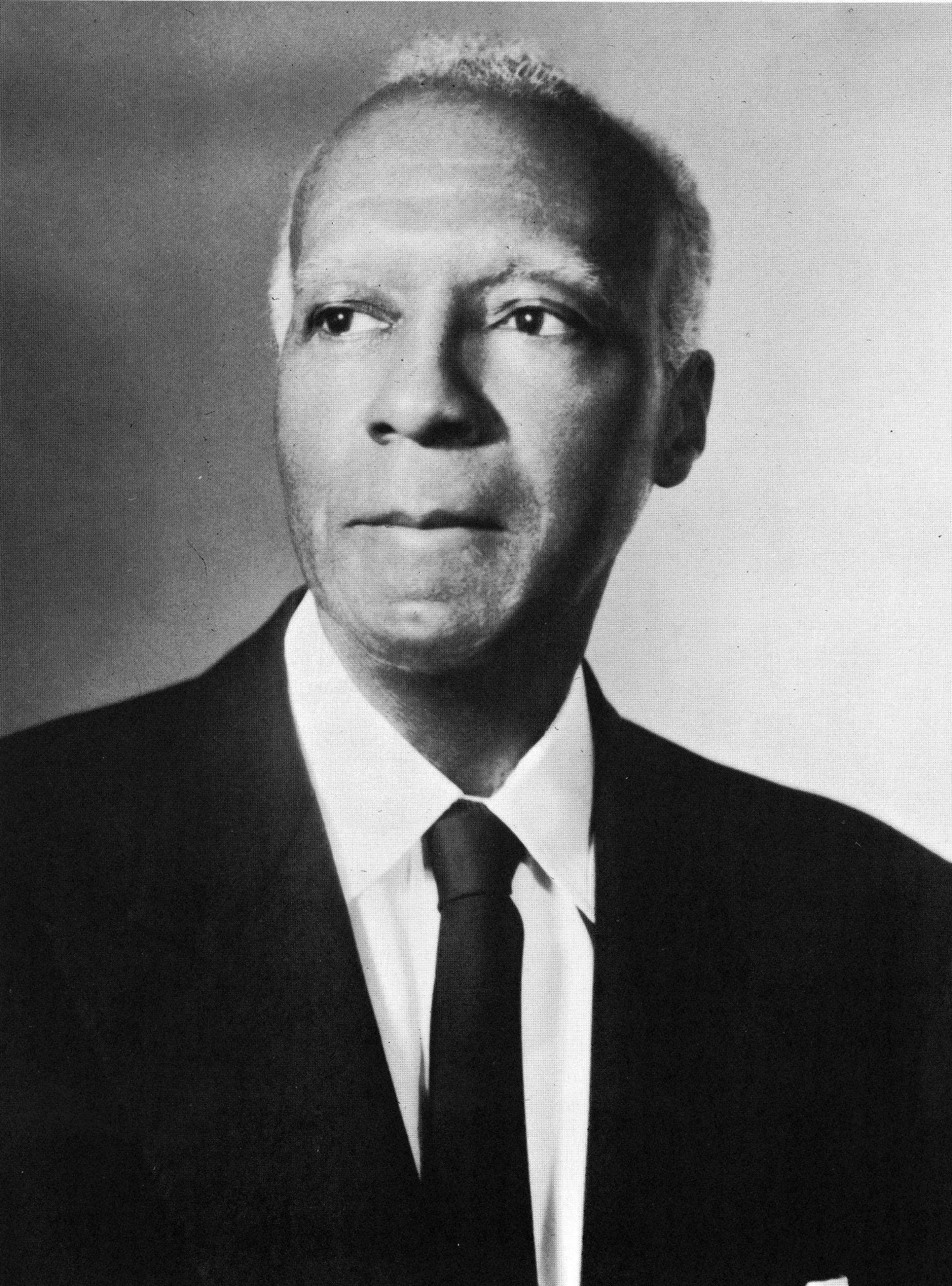
Like many young and idealistic men of his age, Randolph was drawn to socialism, intrigued by its promise of equality of dignity and wealth. To his mind, people could not be free while weighed down by economic subjugation or deprivation. He worked to help people find jobs and founded a monthly magazine called The Messenger, which advocated racial equality, opposed lynching, urged integration, and promoted unionization. But ideological rifts and infighting on the staff eventually led to the magazine’s folding.
Randolph then turned his attention to labor organization. The Pullman Company, one of the largest manufacturers of railway cars, was a major employer of African Americans, most of whom worked as porters on trains. In 1925, Randolph began organizing them into the Brotherhood of Sleeping Car Porters, or the BSCP. This was the first serious effort to unionize Pullman, and the company fought back hard. Within a year, Randolph had enrolled more than half of the workforce and was planning a strike to force mediation and improved working conditions. Pullman countered by circulating rumors that it had hired strikebreakers and more than 5,000 replacement workers. The strike effort collapsed.
For the next seven years, the BSCP struggled at the margins, barely surviving, at one point having its electricity cut off for non-payment. Randolph, however, always managed to raise just enough money and recruit just enough new members to keep the organization alive, sustained largely by the force of his speeches. Fortunes changed in 1932 with the election of Franklin D. Roosevelt. More sympathetic to labor, Roosevelt pushed legislation through Congress that gave unions new leverage. Randolph secured formal recognition from Pullman and negotiated major gains: significant wage increases, a shorter workweek, and overtime pay. The union ranks swelled.
By the outbreak of World War II, Randolph was probably the most prominent spokesman for African American civil rights. But Roosevelt’s political coalition relied heavily on southern Democrats, who would never agree to meaningful concessions on Jim Crow. Randolph attempted to work through Eleanor Roosevelt, inviting her to speak at the BSCP’s 1940 convention and arranging a meeting with the president shortly thereafter. Roosevelt promised that he would never allow segregation in the armed forces if a peacetime draft were enacted, but he reneged under pressure from southern Democrats.
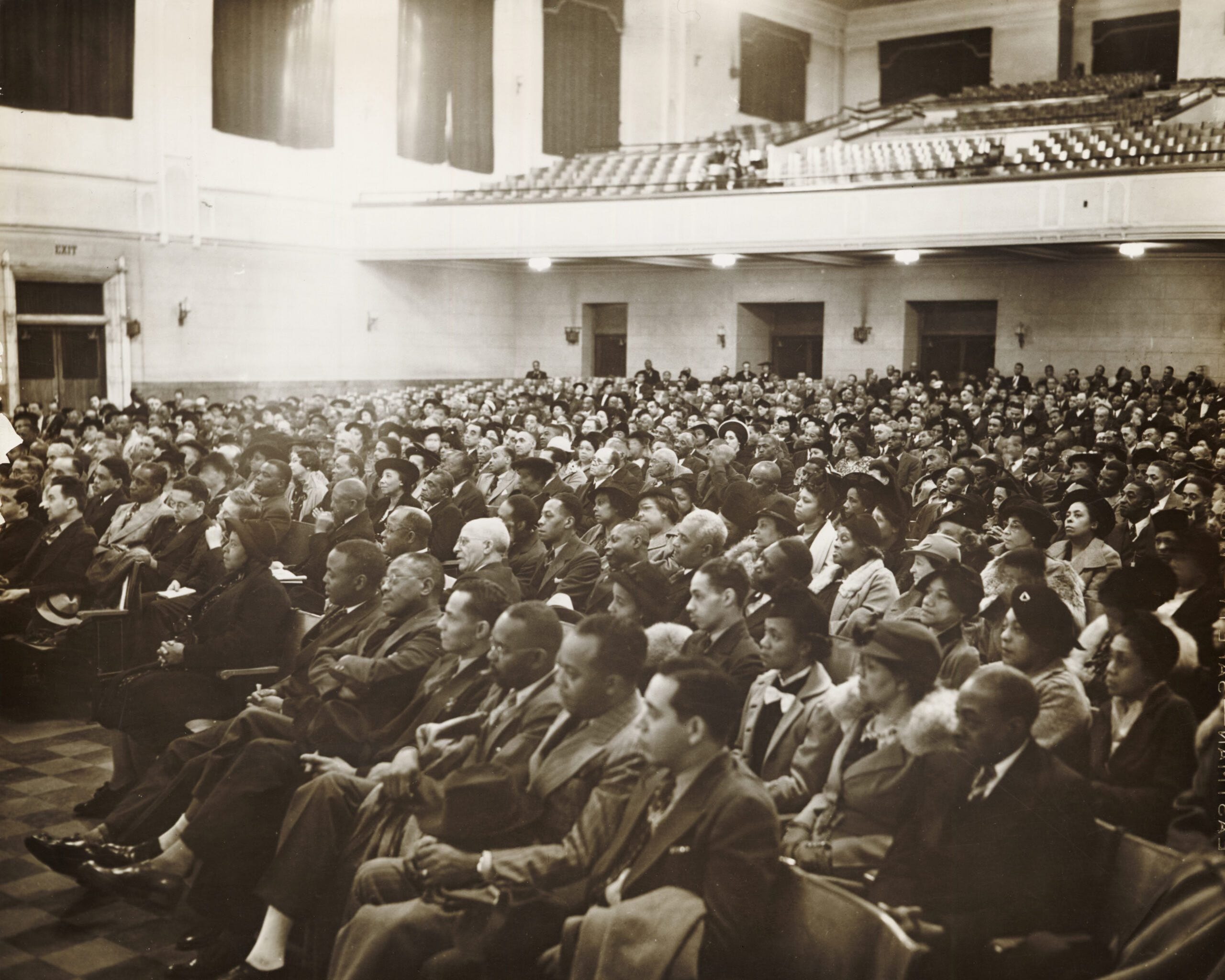
Randolph felt betrayed but did not retreat. He organized protests nationwide and escalated public pressure. Then he conceived a bold idea: a march on Washington. What if ten thousand, or even one hundred thousand, African Americans marched on the capital to demand equality? Working with leaders such as Bayard Rustin and A. J. Muste, Randolph began organizing the effort. Word quickly reached the White House. Caught between southern segregationists and Randolph’s mounting pressure, Roosevelt proposed a compromise. He would issue an executive order banning discrimination in defense industries. Randolph accepted the concession and called off the march, and Roosevelt followed through with Executive Order 8802, barring defense contractors from discriminating based on race.
Not all of Randolph’s followers were satisfied, but Randolph understood the magnitude of the victory. For the first time since Reconstruction, the federal government had ordered racial integration as a matter of national policy. It was a start, and it ensured tens of thousands of jobs for African Americans during the war. Randolph supported the war effort under the banner of “Double Victory”: victory over fascism abroad and racism at home. In 1942, he addressed a crowd of more than 18,000, condemning discrimination in the military, the economy, and American life more broadly. The gains he had pressed for were beginning to bear fruit. During the Philadelphia transit strike of 1944, over access to skilled jobs, the federal government sided against the white strikers and enforced integration.
When Harry Truman came to office, Randolph kept up the pressure. Truman, facing the demands of Cold War mobilization, pushed for a peacetime draft. Randolph urged young Black men to refuse to register unless the armed forces were integrated. Truman gave way in 1948, integrating the armed services and the federal workforce.
Working closely with Bayard Rustin, Randolph returned to the idea he had first conceived two decades earlier. In 1963, he helped organize the March on Washington for Jobs and Freedom. He had watched a young Martin Luther King, Jr. organize disciplined non-violent protests across the South and had seen the violent reactions they provoked. Randolph sensed that the moment had arrived to bring that moral pressure to the nation’s capital and demand a comprehensive civil rights bill. His ties to organized labor were essential.
The march bore Randolph’s imprint in every detail. It was disciplined, multiracial, and insistently moral, framed not as a cry of grievance but as a claim of citizenship and equality. Rustin handled logistics, marshals, transportation, and timing. Randolph supplied the authority and the demand. On August 28, 1963, more than 200,000 people gathered peacefully on the National Mall. When Randolph spoke from the Lincoln Memorial before Martin Luther King, Jr., it was not the voice of protest alone, but of conviction. The movement he had nurtured for forty years had reached the center of national power, orderly, undeniable, and resolved. The Civil Rights Act would follow the next year. The deeper victory was already visible. Randolph had shown that dignity could be organized, that moral pressure could be sustained, and that history, patiently pressed, could bend without breaking.


Bayard Rustin (1912-1987)
Bayard Rustin was born in West Chester, Pennsylvania, and raised by his grandparents, Julia and Janifer Rustin. They were Quakers, and their deep commitment to nonviolence, social justice, and moral seriousness stayed with him throughout his life. His grandmother had been active in the NAACP and taught young Bayard that dignity was not merely asserted but practiced daily, through discipline and restraint. It was also during this period that Rustin recognized his homosexuality, a fact he would largely keep private until the 1950s.
Rustin was intellectually gifted and energetic. He attended Wilberforce University but was expelled for organizing a student strike. He later enrolled at Cheyney State Teachers College, though he never completed a degree. For a time, he supported himself as a musician, singing tenor. But when he arrived in Harlem, the intellectual ferment of the city drew him decisively toward politics. He joined the Young Communist League, attracted by its opposition to racial discrimination. He soon became disillusioned, however, as ideological rigidity and loyalty to Moscow crowded out moral independence.
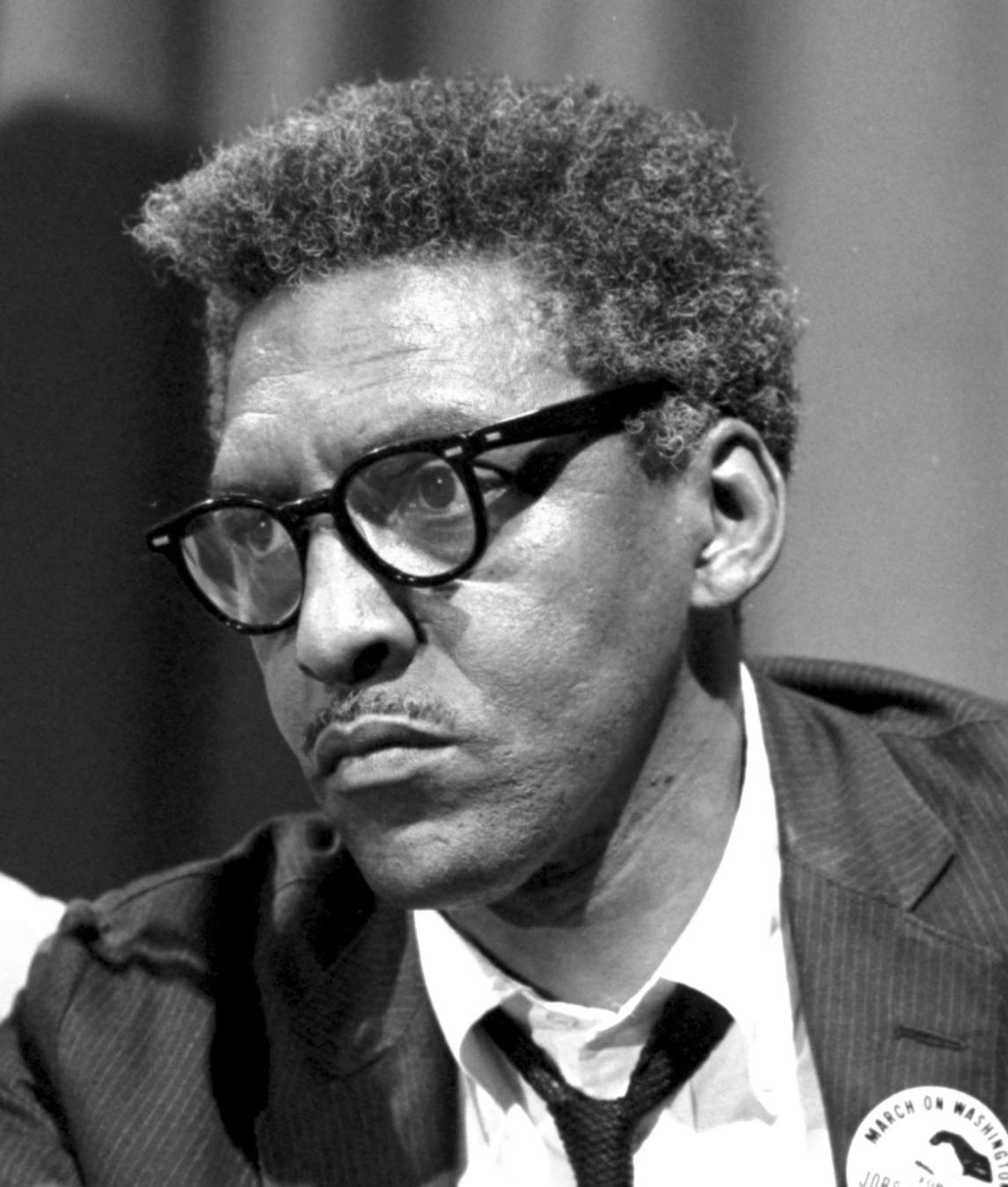
Instead, Rustin turned to pacifism and nonviolent protest. Influenced deeply by Gandhi and Quaker theology, he came to believe that nonviolence was not simply an effective tactic but a comprehensive moral way of life. During World War II, he refused military service as a conscientious objector and served time in federal prison. Even there, he organized protests against segregated conditions and successfully pressed for reforms. Nonviolence, for Rustin, was never passive. It was a strategy of disciplined confrontation, and it worked.
Near the end of the war, he began a long and productive collaboration with A. J. Muste and A. Philip Randolph. Randolph and Muste supplied authority and moral gravitas, while Rustin provided organization and an intellectual synthesis that joined Gandhian nonviolence with American constitutional ideals. Together, they organized efforts under the Fellowship of Reconciliation to test Supreme Court rulings banning segregation in interstate travel. Riding buses through the South and refusing to comply with Jim Crow seating, Rustin was repeatedly arrested and beaten, including in Tennessee and North Carolina. He never retaliated.
Out of this work emerged the Congress of Racial Equality, an organization explicitly modeled on Gandhian principles and committed to nonviolent direct action against segregation. Rustin applied his talents for planning and logistics, helping recruit Freedom Riders, map routes, secure legal assistance, and identify safe havens. His contribution was rarely dramatic, but it was essential.
By the mid-1950s, Rustin met a young Baptist minister named Martin Luther King Jr. He immediately recognized in King a moral authority capable of carrying nonviolence into the Black church and the national conscience. When the Montgomery Bus Boycott began, Rustin traveled south to advise King on the philosophy and discipline of nonviolence and to train movement participants. King listened, and the influence endured.
Rustin’s homosexuality and his earlier association with communism made him an easy target, and he understood that he could become a liability for the movement. In 1953, he had been arrested in California on a morals charge, an incident that opponents repeatedly exploited. At the urging of other civil rights leaders, Rustin agreed to take a background role. Reluctantly, he stepped out of the spotlight.
Throughout the late 1950s and early 1960s, Rustin worked largely behind the scenes. He drafted speeches, trained protesters, advised leaders, and built coalitions. He played a central role in shaping the Southern Christian Leadership Conference and solidifying its commitment to nonviolence. In effect, he helped professionalize protest in the civil rights era.
His work culminated on August 28, 1963, when roughly 250,000 people converged on the National Mall for the March on Washington for Jobs and Freedom. The march had been his and Randolph’s vision for more than two decades. It was not spontaneous. Rustin, more than anyone, ensured that it unfolded with precision. Transportation was coordinated. Marshals were trained. Security was planned. The sound system worked. Speakers stayed on schedule. Martin Luther King Jr.’s words endure because Rustin built the platform on which they could be heard.
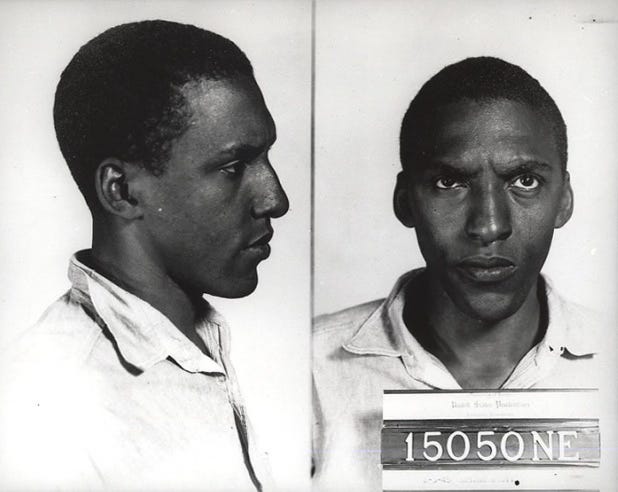
In the years that followed, Rustin’s thinking evolved. He cautioned against mistaking protest for policy. Civil rights victories, he believed, would prove hollow without economic opportunity and political integration. He advocated a “from protest to politics” strategy that emphasized alliances with organized labor, engagement with the Democratic Party, and sustained focus on economic reform. Younger activists often bristled at what they saw as accommodation or respectability politics. Rustin saw it as political adulthood.
In his later years, he remained committed to democratic institutions, liberal pluralism, and reform through established channels. He also began, quietly, to advocate for gay rights, though he resisted framing politics primarily in terms of identity. For Rustin, politics was not about one group claiming spoils, but about building durable structures of justice.
By the time of his death in 1987, Rustin was largely absent from the public pantheon of civil rights heroes. Yet his influence was unmistakable. He did not supply the dream, but he made its public realization possible.
With gratitude, and love—