

American Worker
37. Samuel Gompers

37. Samuel Gompers (1850-1924)
Although the Republic was founded in the fire of revolution, labor built it. Farmers, and for centuries most Americans were farmers, cleared forests and planted fields. Sailors crossed oceans. Blacksmiths hammered iron into tools. Miners descended into the earth and brought back its riches. Factory workers stood beside roaring machines for twelve-hour shifts in smoke and heat. Americans worked. The rise of the United States into an industrial superpower required astonishing labor from millions of ordinary people, many of whom lived precarious lives despite the wealth they created. Industrial capitalism transformed the nation, but that transformation also brought dangerous factories, exploitative conditions, child labor, violent strikes, and a yawning gulf between labor and capital.
In the turbulent Gilded Age, few men did more to shape the American labor movement than Samuel Gompers. He was not a radical or an idealist. He distrusted grand abstractions and rejected class warfare. Instead, he became the leading architect of practical American unionism. His fight was not to overthrow capitalism but to secure for workers a fair share within it. Through persistence, organization, and political intelligence, Gompers helped transform labor from a scattered collection of isolated trades into one of the great organized forces in American life.

Samuel Gompers was born in London in 1850 to a poor Jewish family of recent Dutch ancestry. His father was a cigar maker, a skilled trade that Samuel would also learn as a boy. Like many immigrant families of the nineteenth century, the Gompers family sought opportunity in the United States and emigrated to New York City in 1863. America offered possibility, but immigrant life in New York was difficult and crowded. Gompers left school young and entered the cigar trade full time. The work was tedious and taxing, but cigar making also exposed him to political discussion and labor organization. Skilled workers often talked while they worked, debating economics, politics, and social theory. It became both a theoretical and practical education.
Gompers’ America was changing rapidly. Railroads expanded across the continent and factories multiplied. Immigration surged. Tycoons amassed fortunes in steel, oil, banking, and manufacturing. Yet industrial growth often came with harsh working conditions. Injuries were common. Working hours were brutally long and wages remained uncertain. Workers increasingly sought ways to organize against the immense power of industrial capital.
Gompers became involved in labor unions early in life through the Cigar Makers’ International Union. Unlike many radical labor organizers of the era, he believed unions should focus on practical gains that improved workers’ lives rather than sweeping ideological abstractions. He had little patience for romantic revolutionaries. Gompers believed workers needed stronger bargaining power, higher wages, shorter hours, and safer conditions, not philosophical manifestos. His approach became known as “pure and simple unionism.”
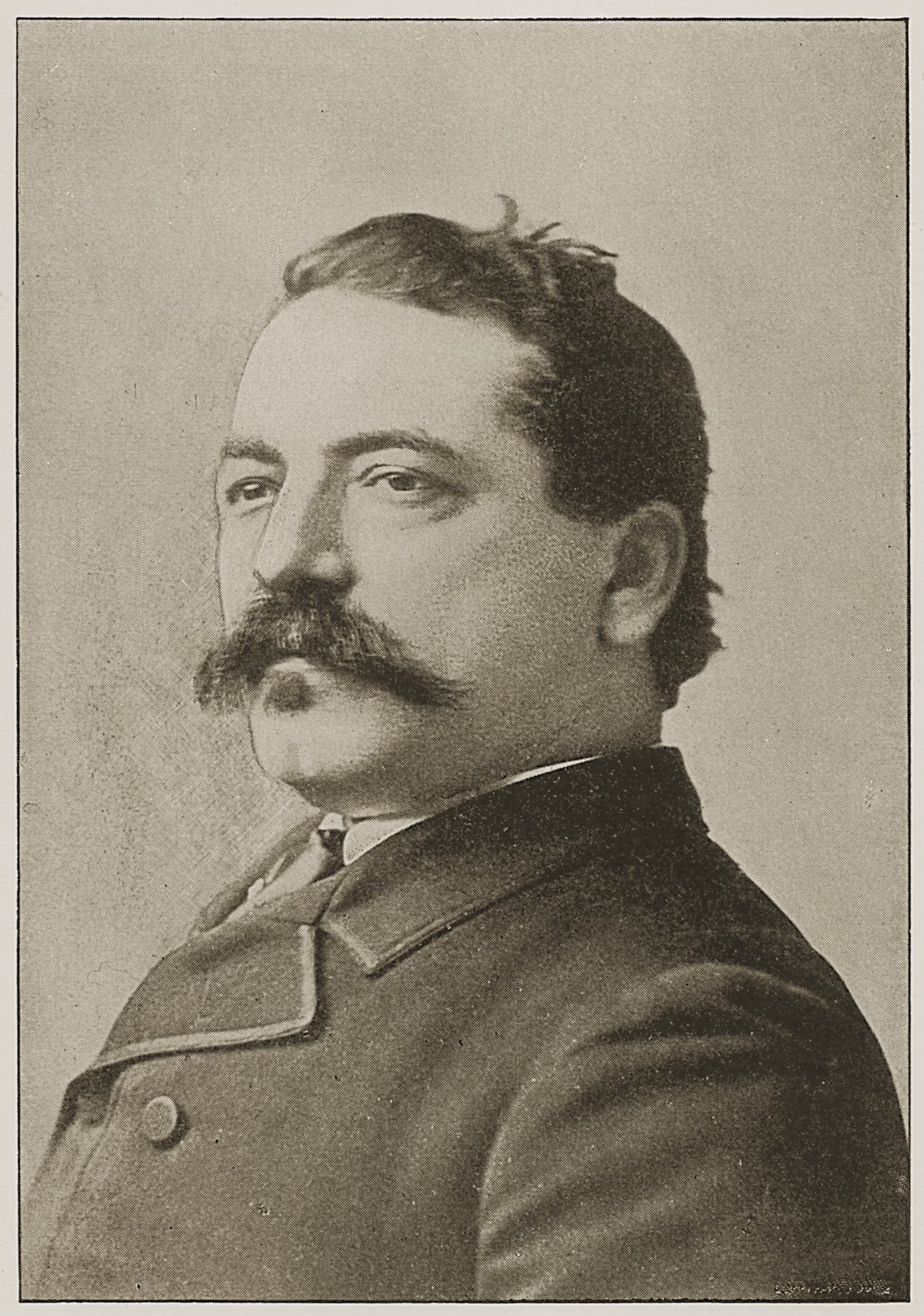
This philosophy distinguished him sharply from more radical labor movements of the late nineteenth century. Groups like the Knights of Labor attempted to organize nearly all workers into a broad social movement and often embraced political reform agendas far beyond the bread-and-butter concerns of the workplace. Gompers instead focused on skilled trades and collective bargaining. He believed durable progress came through disciplined organization, strikes when necessary, negotiation where possible, and the steady accumulation of gains. He wanted labor to become a permanent institution within American capitalism rather than a force seeking its destruction.
In 1886, Gompers helped found the American Federation of Labor, commonly known as the AFL. He would serve as its president for nearly four decades, becoming the dominant figure in organized labor during the late nineteenth and early twentieth centuries. Under his leadership, the AFL grew into the nation’s most influential labor organization and one of the most powerful organizations in the country. It organized workers by craft and trade, emphasizing skilled labor and decentralized union autonomy.
Gompers proved remarkably effective as an organizer and negotiator. He understood politics instinctively, even while maintaining skepticism toward ideological parties. He cultivated relationships with politicians while insisting labor remain independent. His unions fought for concrete goals such as the eight-hour workday, better pay, improved safety standards, and collective bargaining rights. These objectives may seem modest compared to revolutionary rhetoric, but they improved the lives of millions of workers.
The labor struggles of Gompers’ era were often violent. The late nineteenth century witnessed bitter clashes between workers, corporations, private security forces, and even state militias. Events like the Haymarket affair, the Homestead Strike, and the Pullman Strike revealed how explosive labor tensions had become. Public fear of anarchism and radicalism frequently damaged the labor movement’s reputation. Gompers worked carefully to distance the AFL from revolutionary violence. He believed labor could gain legitimacy only by presenting itself as disciplined, responsible, and rooted in the American constitutional order.
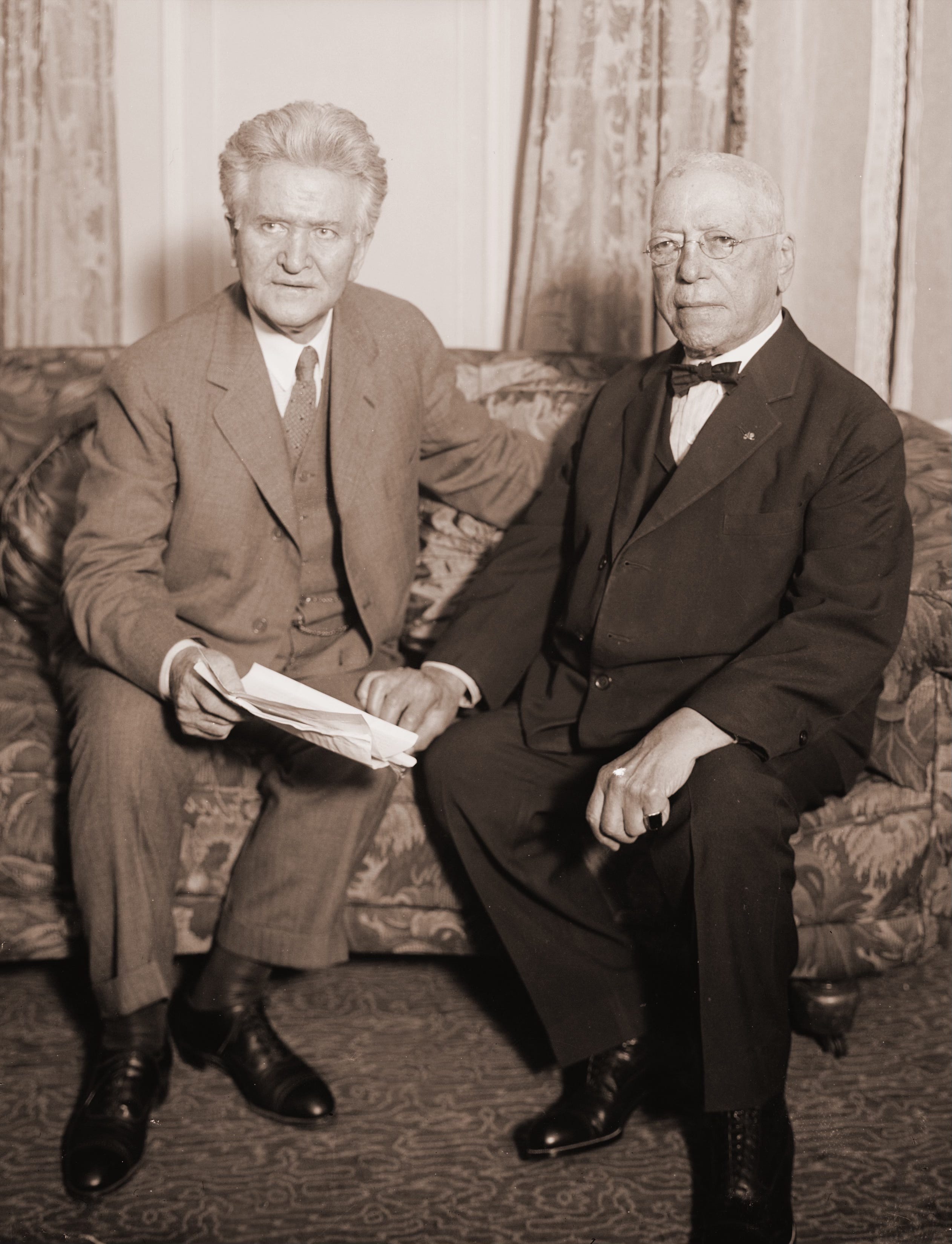
Yet Gompers was hardly submissive toward business interests. He fiercely opposed injunctions used against strikes, condemned exploitative labor practices, and fought relentlessly against child labor. He viewed unions as essential institutions for preserving human dignity within industrial society. Without organization, workers could easily become instruments of production rather than citizens with rights and bargaining power.
His leadership was not without shortcomings. The AFL under Gompers often excluded unskilled workers, Black workers, women, and Chinese immigrants from certain unions. Craft unionism protected skilled laborers effectively, but it could also narrow solidarity across the broader working class. Critics argued that Gompers’ approach was too conservative. Others believed his hostility toward socialism limited the labor movement’s long-term political influence. These criticisms have some merit. The American labor movement remained fragmented in ways European labor movements often were not.
Even so, Gompers understood something fundamental about the American character. Americans generally distrusted rigid class ideologies and revolutionary politics. Gompers recognized that labor would succeed in America not by imitating European radicalism, but by adapting itself to American republican sensibilities. In this sense, he helped create a distinctly American form of unionism.
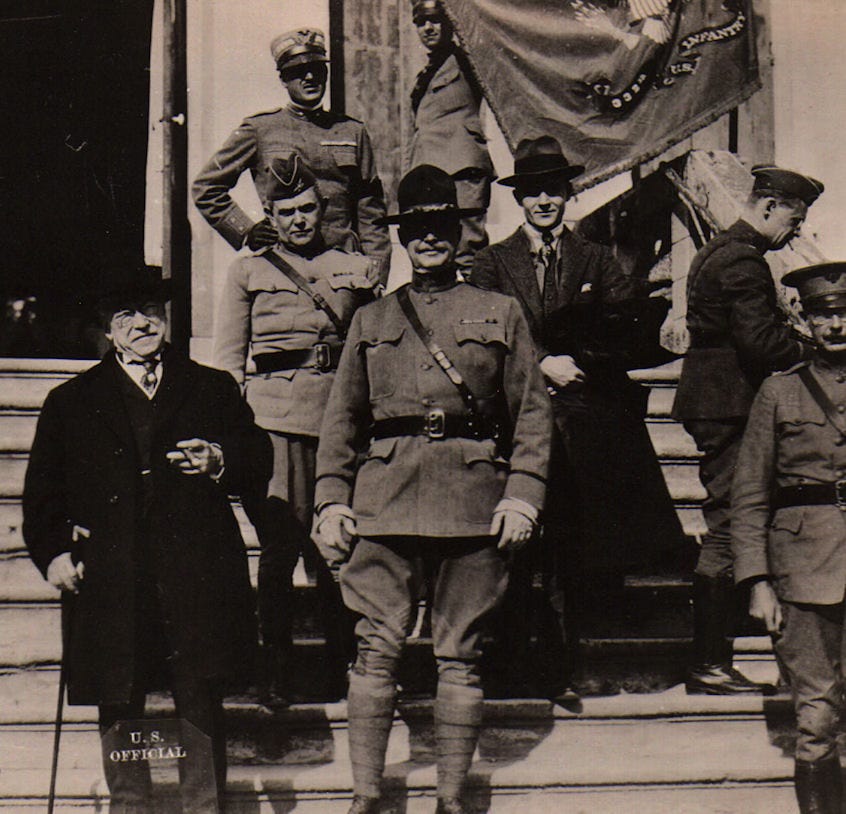
During World War I, Gompers supported the American war effort and worked closely with the federal government. Labor gained influence during the war as industrial production became vital to national success. Gompers argued that democracy abroad required fairness for workers at home. He also participated in international labor discussions after the war, believing labor rights were tied to political stability and democratic legitimacy.
Samuel Gompers died in 1924 after decades at the center of American labor life. By then, organized labor had become a permanent force in the nation’s economic and political system. Later labor leaders and movements would expand beyond many of his limitations, organizing industrial workers on a broader scale and pressing more aggressively for social legislation. Yet the institutional foundations of American labor power owed an enormous debt to Gompers’ leadership.
His legacy is immense and part of daily life. The weekend, safer workplaces, collective bargaining rights, improved wages, and shorter working hours were not inevitable developments of industrial society. They were fought for, negotiated for, and organized into existence. Gompers understood that free institutions require counterweights to concentrated power, whether political or economic. He did not seek to undermine American capitalism. He wanted it shared. In doing so, he helped millions of workers secure not merely higher wages, but greater dignity within modern America.
with gratitude, and love—